Product Details
Product Information
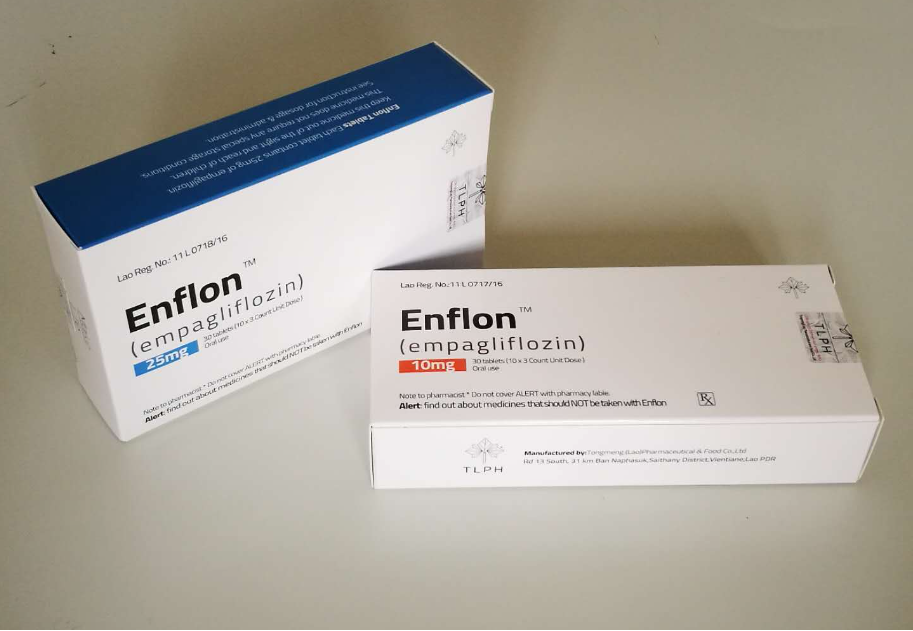
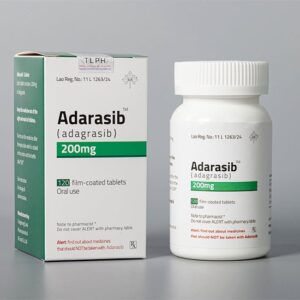
- Product name: Enflon EMPAGLIFLOZIN 10MG
- Manufacturer / brand: Laos TLPH Pharma
- Active ingredient: Empagliflozin
- Current strength: 10MG
- SKU: AM-ITEM-29
- Site category: general medicines
Product Summary
Enflon EMPAGLIFLOZIN 10MG is an AISTIKA-listed product supplied by Laos TLPH Pharma. This page summarizes the product identity, strength, SKU, site category, and public medical reference information. Product name, manufacturer, packaging, and strength follow this AISTIKA product page.
Active Ingredient and Reference Data
Empagliflozin is the active ingredient used for this product page. Public prescribing information for Empagliflozin was used for the medical reference sections. Medical details are provided for reference and must be interpreted by a qualified healthcare professional.
Mechanism of Action
Empagliflozin XR Empagliflozin XR contain: empagliflozin, a SGLT2 inhibitor, and metformin HCl, a biguanide. Empagliflozin Empagliflozin is an inhibitor of SGLT2, the predominant transporter responsible for reabsorption of glucose from the glomerular filtrate back into the circulation. Empagliflozin also reduces sodium reabsorption and increases the delivery of sodium to the distal tubule.
Reference Indications
Empagliflozin Empagliflozin is a combination of empagliflozin, a sodium-glucose co-transporter 2 (SGLT2) inhibitor and metformin hydrochloride (HCl) immediate-release, a biguanide, indicated as an adjunct to diet and exercise to improve glycemic control in adults and pediatric patients aged 10 years and older with type 2 diabetes mellitus. Empagliflozin XR Empagliflozin XR is a combination of empagliflozin, a SGLT2 inhibitor and metformin HCl extended-release, a biguanide, indicated as an adjunct to diet and exercise to improve glycemic control in adults with type 2 diabetes mellitus . Empagliflozin Empagliflozin, when used as a component of Empagliflozin XR, is indicated in adults with type 2 diabetes mellitus to reduce the risk of: Cardiovascular (CV) death in adults with established CV disease.
Reference Dosage and Administration
Recommended dosage is 25 mg/day of empagliflozin and 2,000 mg/day of metformin HCl. take orally twice daily with meals, with gradual dosage escalation to reduce the gastrointestinal adverse reactions due to metformin HCl.
Dose conversion must be confirmed by a physician because the reference dose may vary by indication, organ function, toxicity, or interacting medicines.
This reference dosage is not an individualized prescription. Dose changes, treatment interruptions, or discontinuation must be directed by a physician.
Important Safety Information
WARNING: LACTIC ACIDOSIS Postmarketing cases of metformin-associated lactic acidosis have resulted in death, hypothermia, hypotension, and resistant bradyarrhythmias. The onset of metformin-associated lactic acidosis is often subtle, accompanied only by nonspecific symptoms such as malaise, myalgias, respiratory distress, somnolence, and abdominal pain. Metformin-associated lactic acidosis was characterized by elevated blood lactate levels (>5 mmol/Liter), anion gap acidosis (without evidence of ketonuria or ketonemia), an increased lactate/pyruvate ratio; and metformin plasma levels generally >5 mcg/mL .
Common Adverse Reactions and Monitoring
The safety of concomitantly administered empagliflozin (daily dosage 10 mg or 25 mg) and metformin HCl (mean daily dosage of approximately 1,800 mg) has been evaluated in 3,456 adult patients with type 2 diabetes mellitus treated for 16 to 24 weeks, of which 926 patients received placebo, 1,271 patients received a daily dosage of empagliflozin 10 mg, and 1,259 patients received a daily dosage of empagliflozin 25 mg. Discontinuation of therapy due to adverse events across treatment groups was 3.0%, 2.8%, and 2.9% for placebo, empagliflozin 10 mg, and empagliflozin 25 mg, respectively. Empagliflozin was used as monotherapy in one trial and as add-on therapy in four trials .
Drug Interactions and Special Populations
See Table 4 for clinically relevant interactions with Empagliflozin XR. Table 4 Clinically Relevant Interactions with Empagliflozin XR Carbonic Anhydrase Inhibitors Clinical Impact Topiramate or other carbonic anhydrase inhibitors (e.g., zonisamide, acetazolamide or dichlorphenamide) frequently causes a decrease in serum bicarbonate and induce non-anion gap, hyperchloremic metabolic acidosis. Concomitant use of these drugs with Empagliflozin XR may increase the risk of lactic acidosis. Intervention Consider more frequent monitoring of these patients.
Storage and Purchase Notes
Store according to the package or pharmacist instructions and keep out of reach of children. Before ordering, confirm product name, strength, quantity, price, shipping details, and payment method. After receipt, check packaging, batch number, expiration date, and storage conditions.
Sources
Sources: Synjardy public prescribing information; openFDA/DailyMed public label data. These sources are used for public medical reference. Product information follows this AISTIKA product page.
DisclaimerProduct details, availability, pricing, and checkout information can change. Please review this product page carefully and consult a qualified healthcare professional before using any medicine.
Reviews
There are no reviews yet.